
Pawsitive Companions
The Best Dogs Breeds for Seniors to Bring Home

Pawsitive Companions: The Best Dog Breeds for Seniors]
Owning a furry friend, whether a playful puppy or a mature adult dog, involves much responsibility. It’s akin to having a mischievous grandchild around the house, bringing moments of mischief and unwavering loyalty. For seniors experiencing life changes, welcoming a dog into their family can bring unimaginable benefits and help them stay youthful. However, not all dog breeds are suitable for older adults. This article will explore five breeds that make perfect companions for seniors, offering love, devotion, and a reason to look forward to each morning.
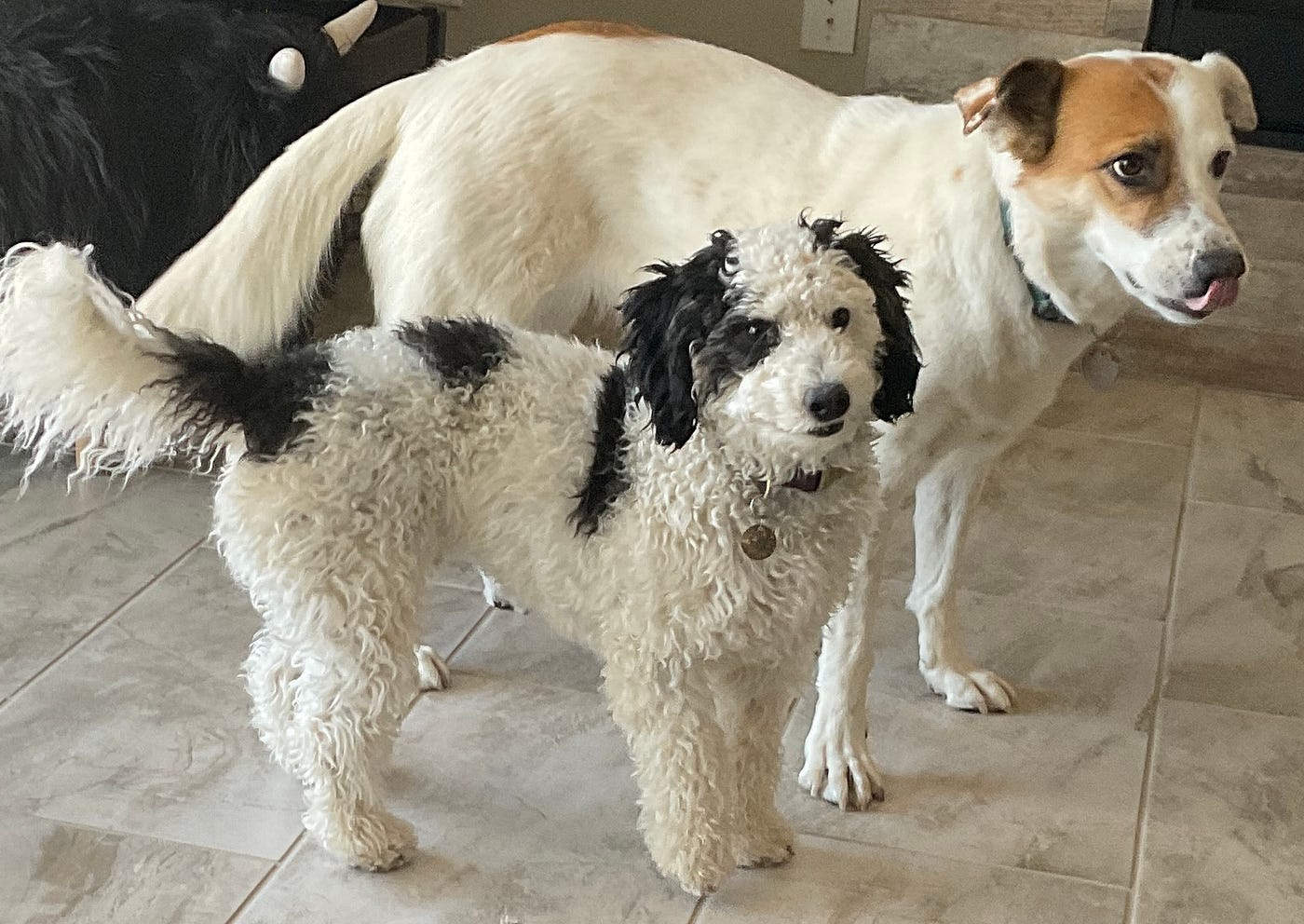
Petite Doodle Dogs
Doodle Dogs may not be a breed everyone is familiar with. They are crossbreeds rather than purebreds and cannot be registered with the AKC. These breeds are known for their intelligence, devotion, trainability, and hypoallergenic coats. Doodle Dogs combine Poodles and other breeds like Golden Retrievers, Bernese Mountain Dogs, or Maltese. Personally, I have a petite Bernedoodle named Finn.
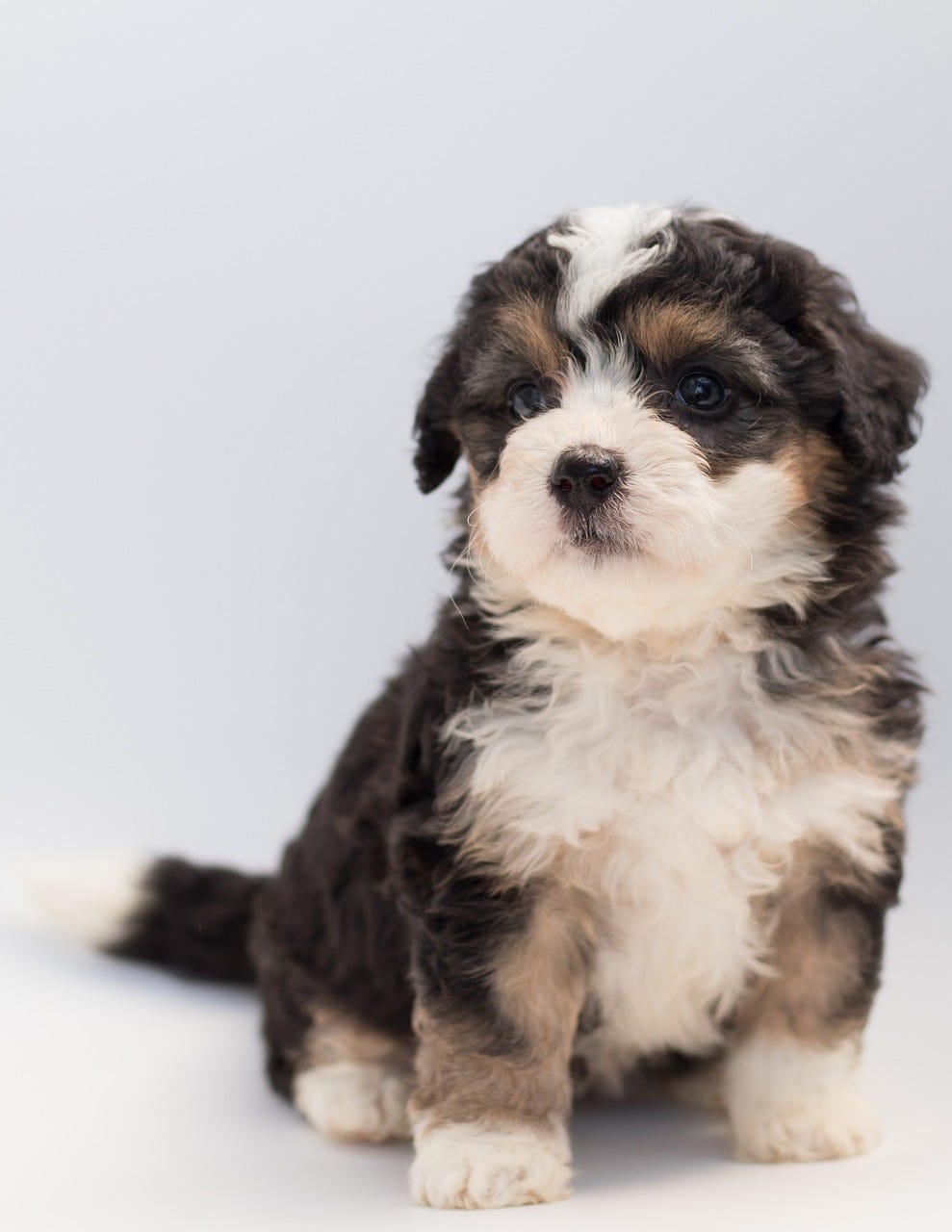
I’ve discovered that Bernedoodles are fiercely devoted. A large Bernedoodle can weigh between 70 and 90 pounds, but Finn, a Petite Bernedoodle, weighs around 20 pounds. I highly recommend a Petite Bernedoodle for seniors. While Finn requires daily exercise, he is content with short walks a few times a day and multiple play sessions, such as a game of fetch. Playdates are especially significant because they tire themselves out. Bernedoodles have a friendly and social temperament, making them ideal for seniors. They can thrive in apartments, houses, or even farms if they have company. However, they can experience separation anxiety. Finn sticks to me like velcro. Regular grooming is necessary to maintain Finn’s coat, similar to a Poodle’s. Their lifespan ranges from 12 to 15 years.
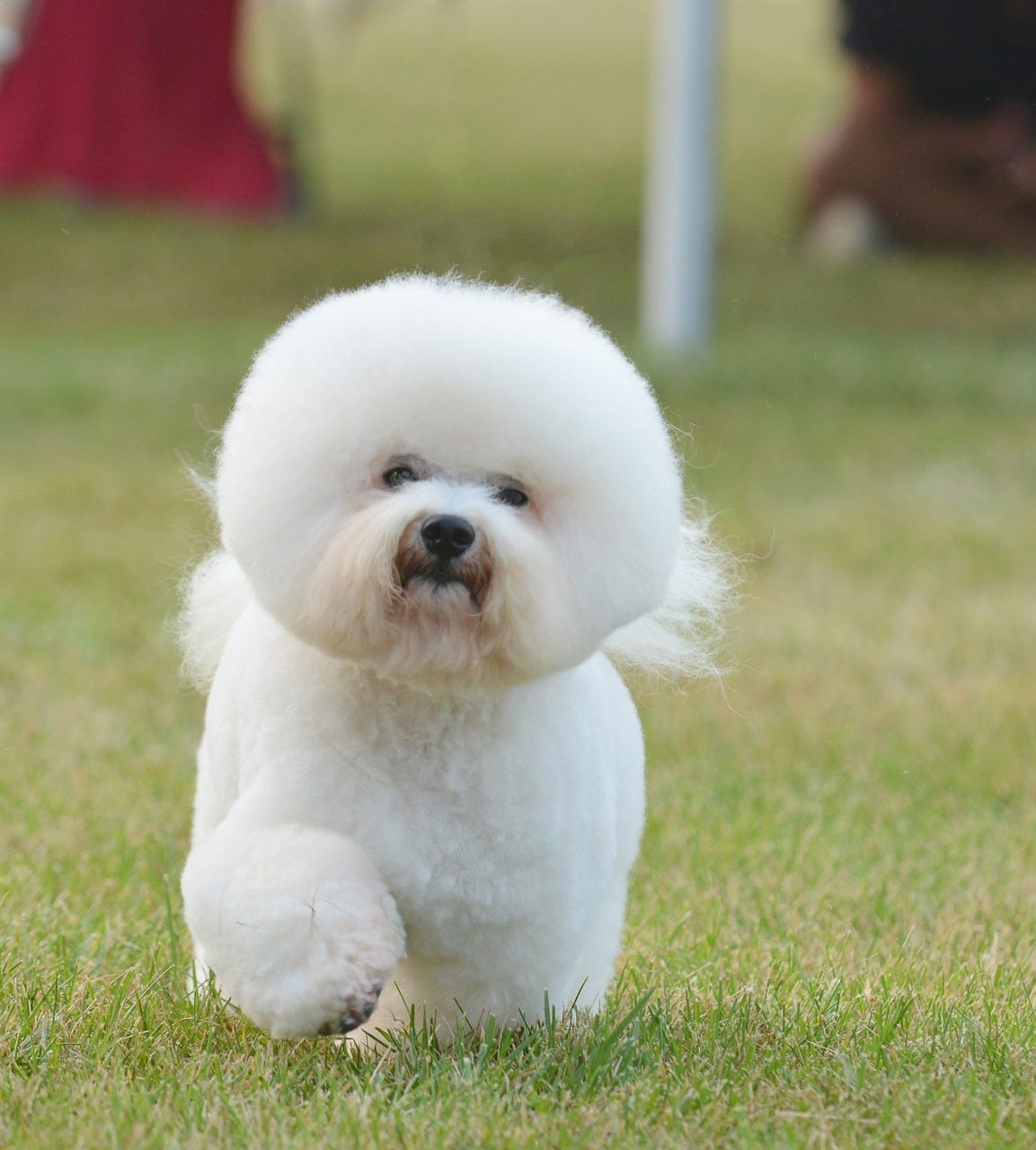
Next on the list is the Bichon Frise. I have often encountered these cheerful bundles of fluffy fur at dog parks. They adore being held in your lap. Like Poodles and Doodles, Bichon Frises require regular grooming to keep their hypoallergenic fur looking its best. Bichon Frises get along well with other pets and people, making them prime candidates for seniors. Regular walks, playdates, and mental stimulation are crucial for their physical and mental well-being. Their typical lifespan ranges from 12 to 15 years.
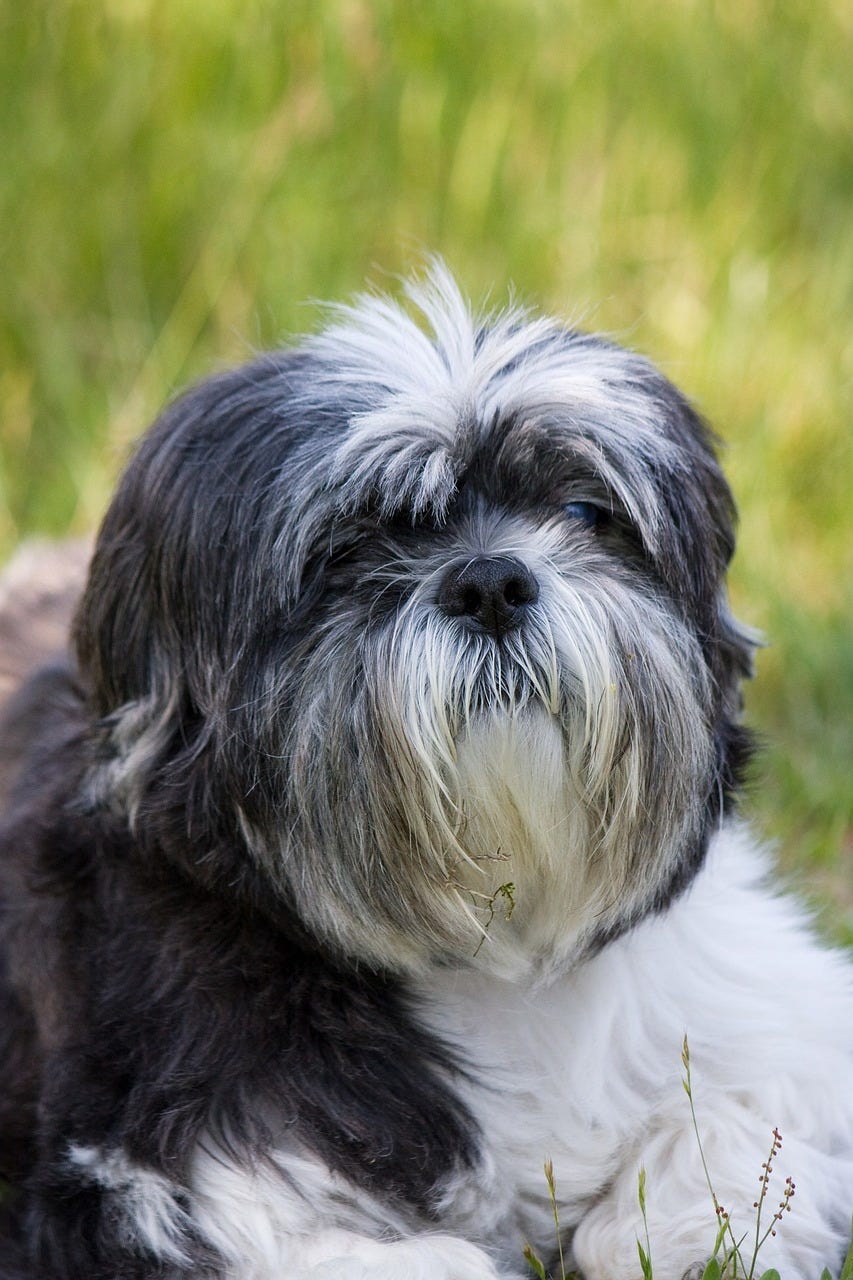
For seniors seeking a calm and loyal best friend, the Shih Tzu might be a perfect fit. These intelligent dogs possess an extraordinary attunement to their surroundings. I once went through a Christmas Light Show in a car with my friend, who had two Shih Tzus named Connie Chung and Charlie Chan. These dogs were more engaged with the light show than anything I’ve ever seen. They make excellent companions due to their friendly and affectionate nature and thrive as lap dogs. Shih Tzus are low-energy and content with a quiet and laid-back routine. While they still require walks and playtime, they demand less maintenance than other small breeds. On average, they live between 10 to 16 years.
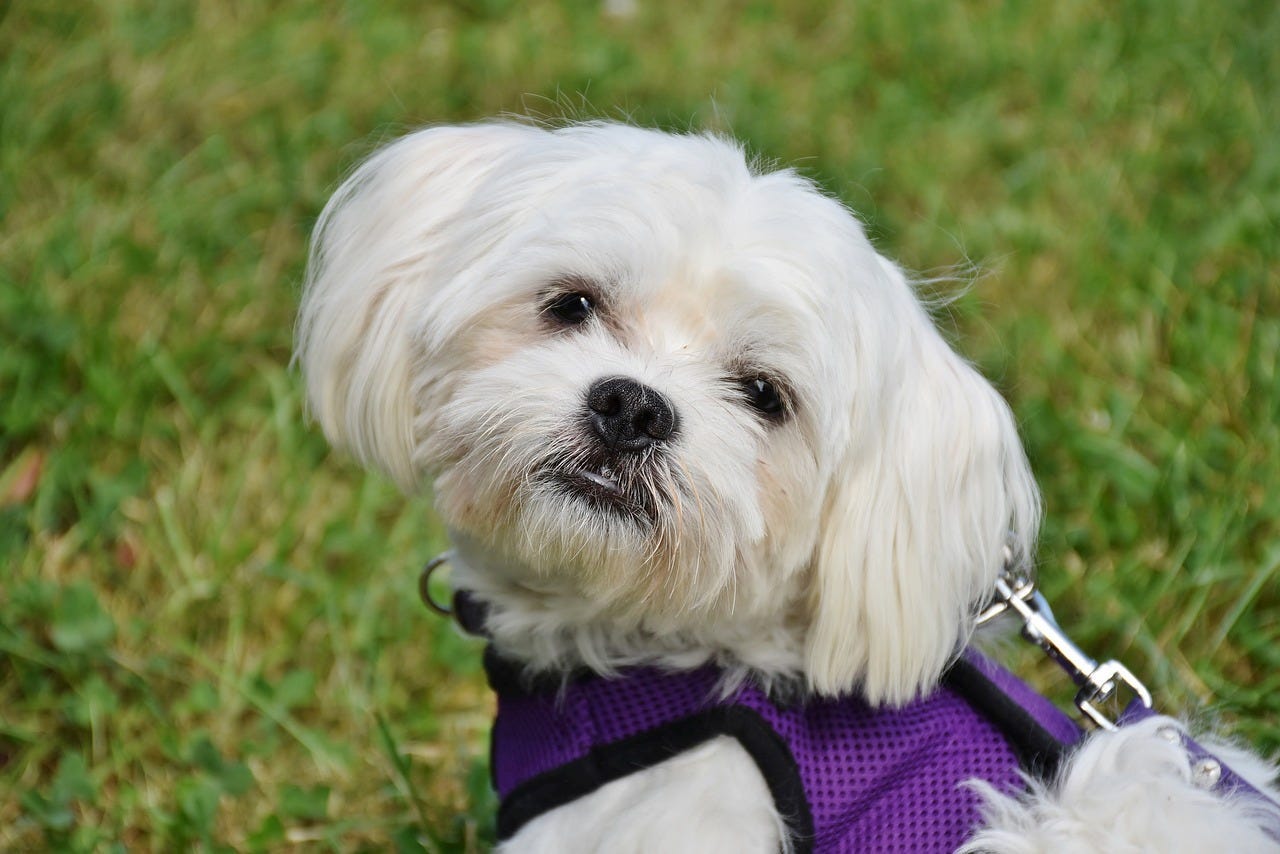
Maltese dogs are small and elegant. They are friendly and have a playful personality. Like many other small breeds, they thrive in the constant company of their senior owners. They relish being the center of attention and form strong bonds with their humans. With their confident and fearless demeanor, they exude charm. Their soft white coat also requires regular grooming to showcase their best appearance. Maltese dogs have a lifetime expectation of 12 to 15 years, during which they provide years of smiles, laughter, and unwavering devotion to their senior owners.
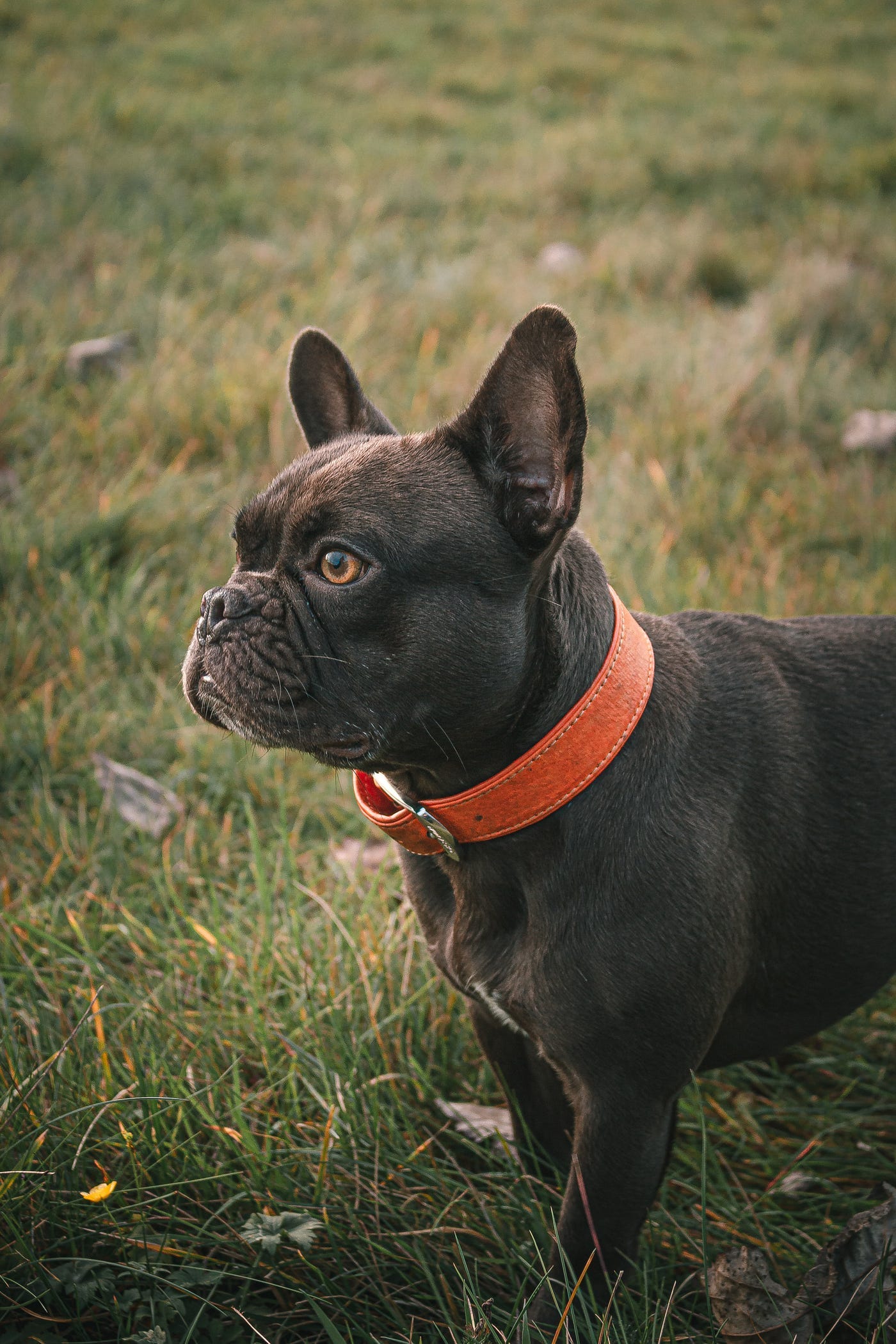
Last, we have the French Bulldog, the “Frenchie.” These small, easygoing, and adaptable dogs make fantastic companions for seniors due to their affectionate and loving nature. With their sturdy build and short-muzzled face, they have a distinct appearance. French Bulldogs are the only breed discussed here with a short, smooth coat, requiring minimal care. They possess enough energy for daily walks, playtime, and interactive games. However, they are sensitive to extreme weather conditions and require protection from excessive heat or cold. Their lifespan ranges from 10 to 12 years.
In conclusion, there are several advantages to owning a smaller dog, such as their size, appetite, and bathroom needs. When walking Finn, for instance, I find it much easier to control him, and he is far less likely to pull me over than a larger Bernedoodle weighing between 70 to 90 pounds. Additionally, he requires less food and is more manageable to clean up after. However, regardless of the breed, it’s essential to consider the cost of veterinary visits, food expenses, and the dog’s temperament and emotional needs. The breeds mentioned in this article can provide love and happiness to seniors who might otherwise feel alone. Each breed has its positive aspects and potential drawbacks. Of course, many other small breeds are available, so seniors must carefully consider their options when deciding to get a dog. Nevertheless, once they decide to bring their pup home, they will likely be happy.